Published on | General
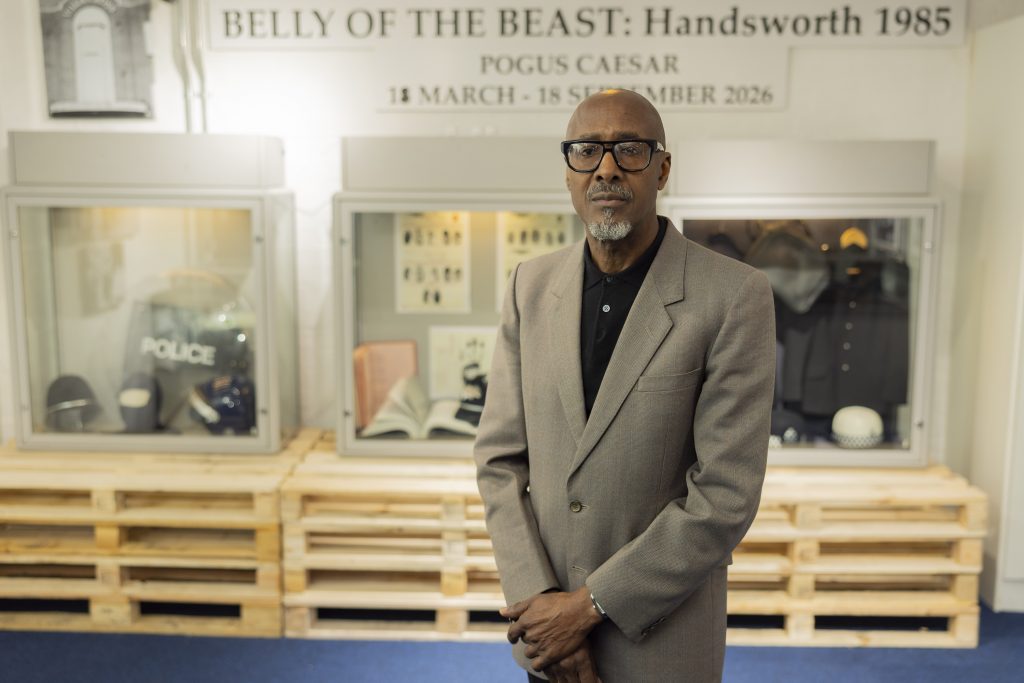
This year we converted the former Lock-up kitchen to a brand new exhibition space; with display cabinets kindly donated by the Birmingham Museum and Art Gallery, a fresh lick of paint, and a new lease of life to the space we have been eagerly awaiting our first exhibition.
Discussions began with world renowned artist Pogus Caesar, whose work in photography captures diverse communities worldwide, including periods of social unrest such as the Handsworth Riots.
How could a tiny spark turn into such a gigantic flame?
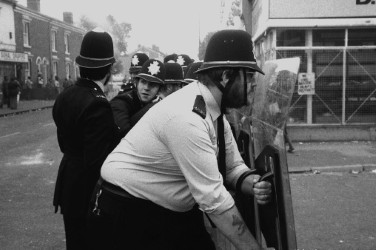
In September 1985, tensions between police and the community erupted into unrest and destruction along the Lozells Road following the arrest of an African Caribbean man. What is now known as the Handsworth Riots lasted two days, during which over 1500 police officers were drafted to the area, properties were damaged and looted, and local people were severely injured, two of whom lost their lives.
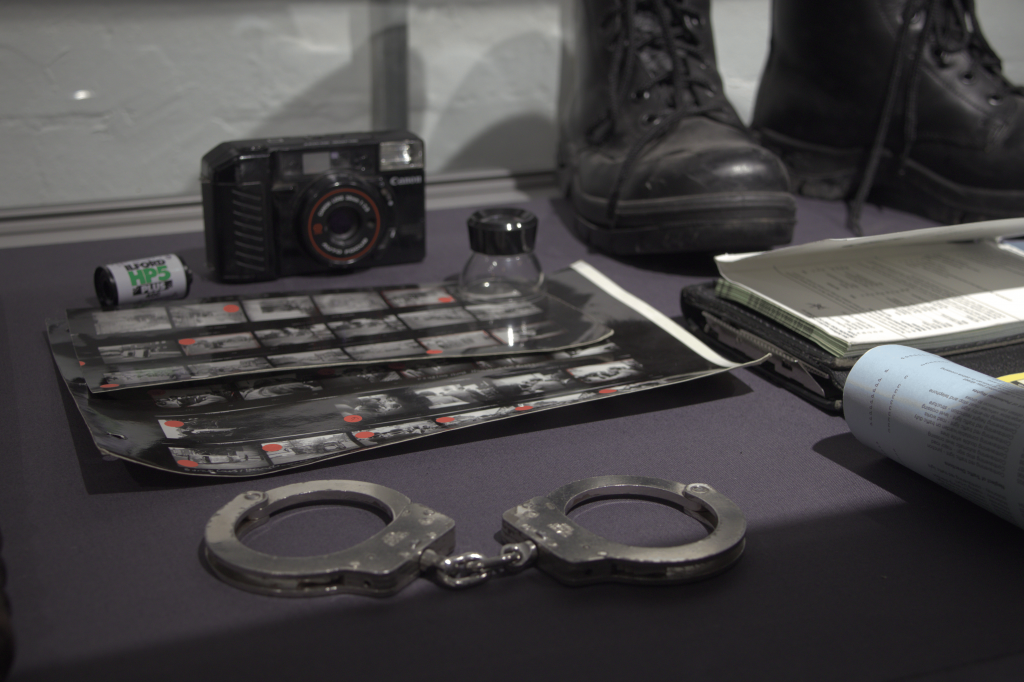
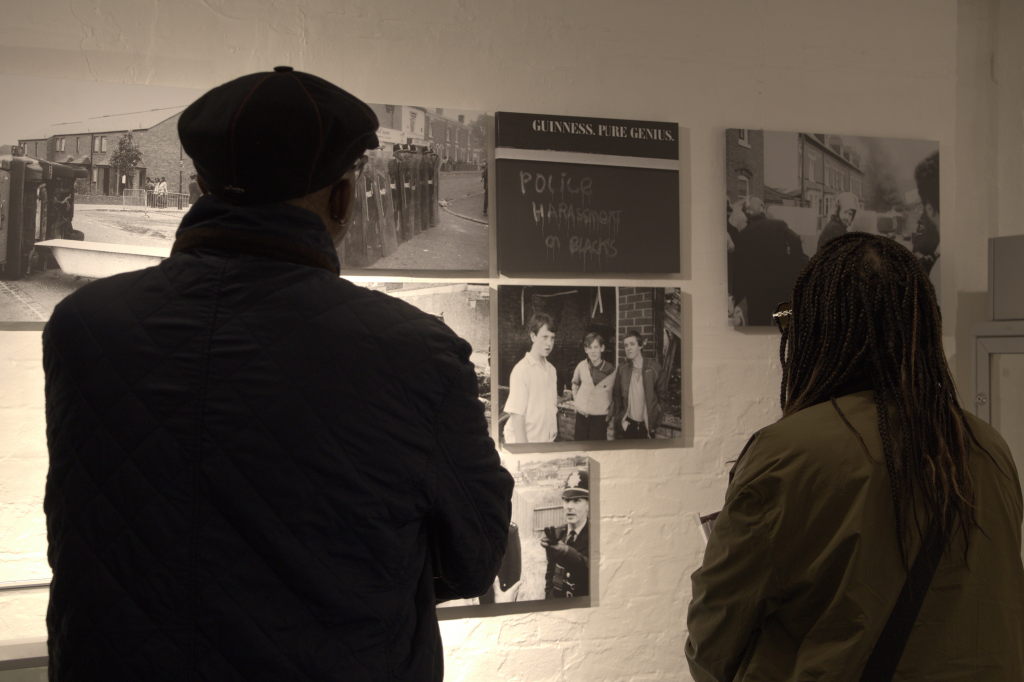
Caesar’s first hand account, captured in evocative 35mm photographs, showcase the chaotic and surreal scenes, as well as the raw human emotions felt on both sides. “Belly of the Beast”, Caesar explains, “is an expression referring to being at the epicentre of a confrontational, menacing, intimidating, or highly challenging situation. Originating from the biblical story of Jonah, who after disobeying a command from God was thrown from a ship and spent three days and nights inside the stomach of a great fish. This space became a liquefied mausoleum and Jonah’s location for repentance and salvation.”
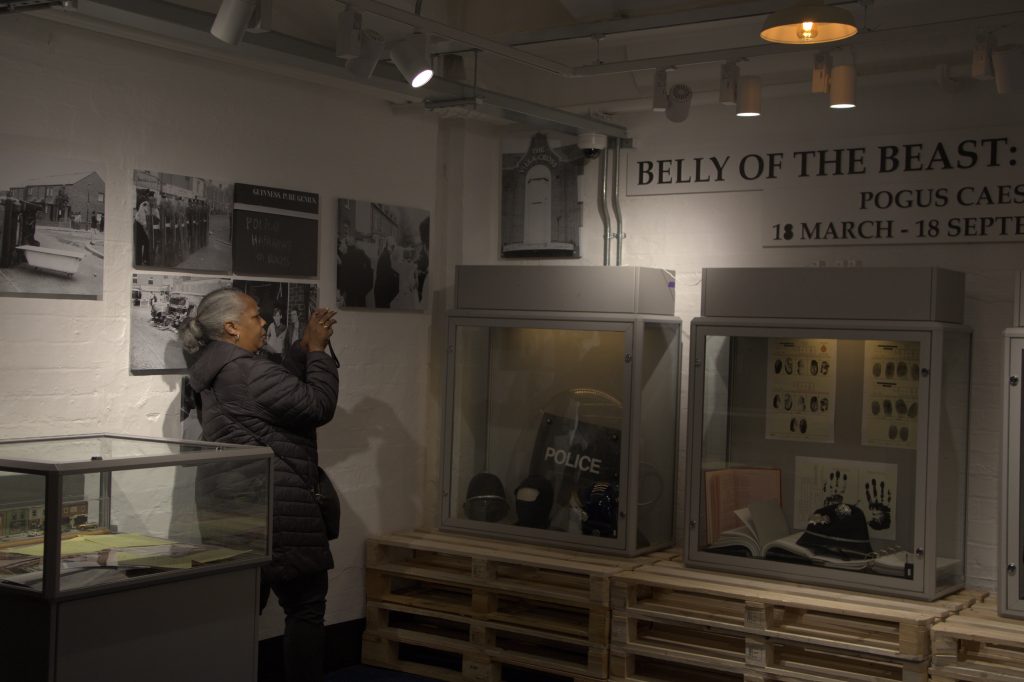
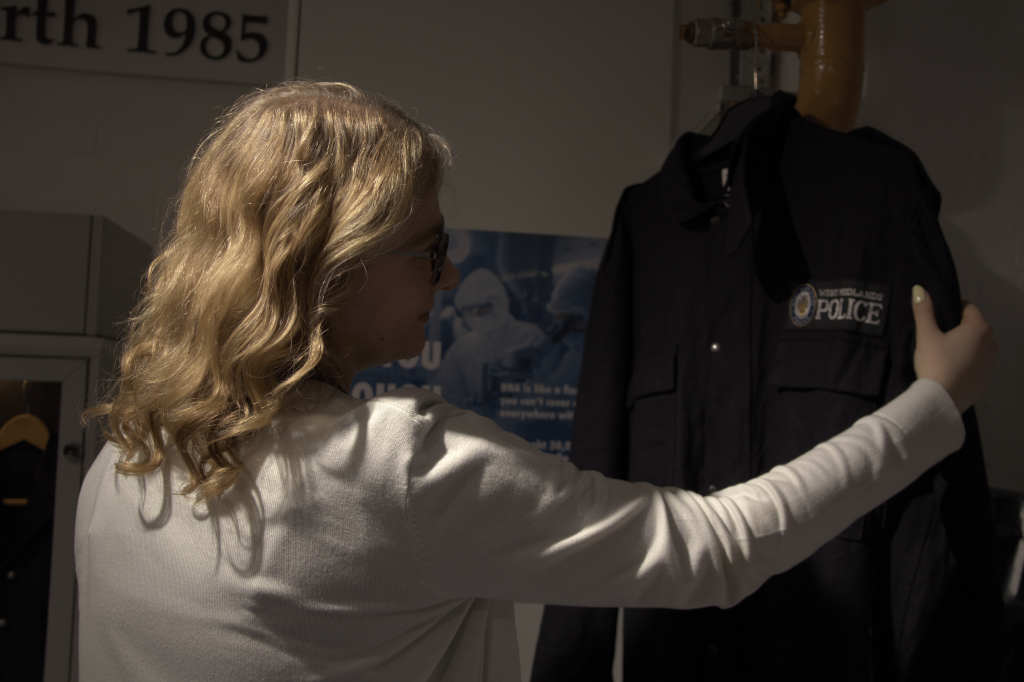
Items from the West Midlands Police Museum collection compliment Caesar’s work in the exhibition.
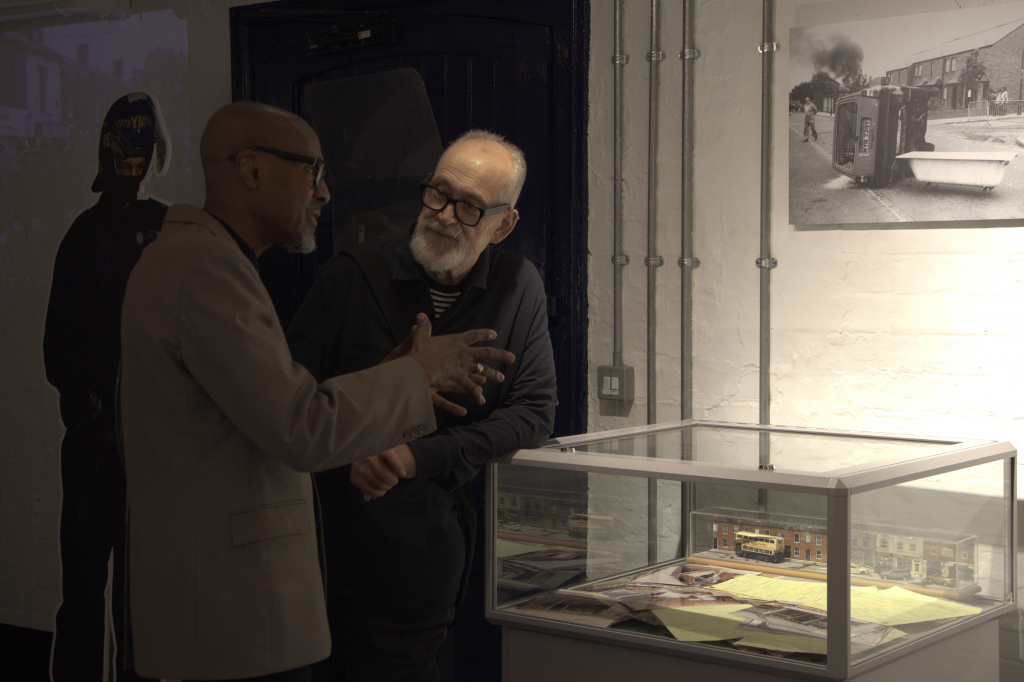
This consolidation of material reframes the significance of the 1985 uprisings, allowing new perspectives, interpretations and modifying how the subject matter is analysed. On the 7th April we welcomed guests to view the exhibition for free and have the chance to meet Pogus Caesar to discuss his work. Visitors included artists from across the country, members of the force, and those with familial links to the unrest who came to share their stories.
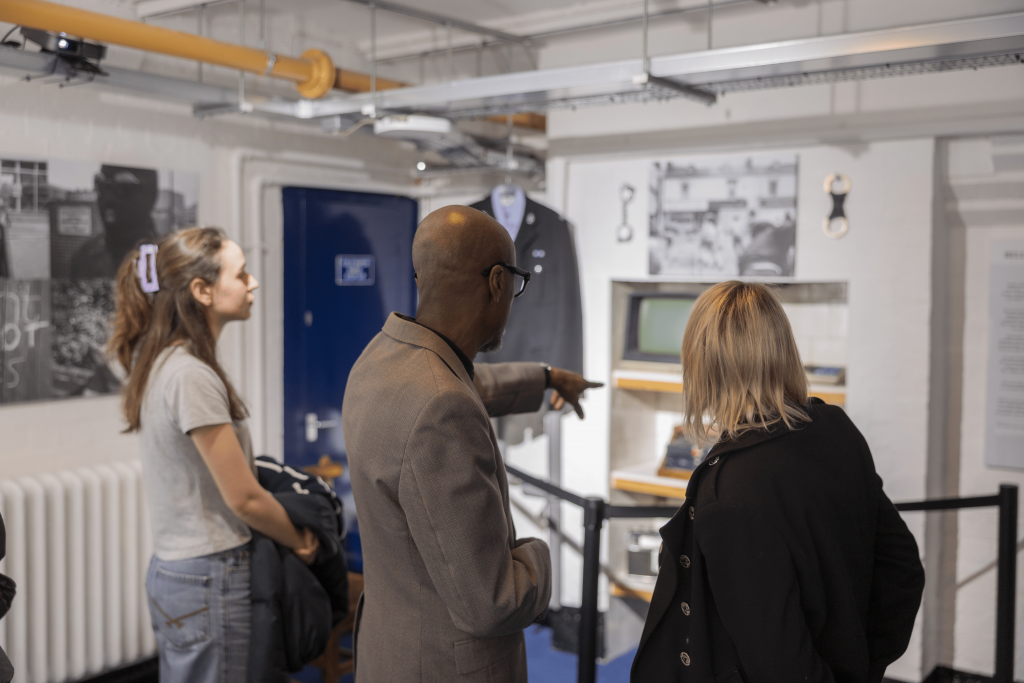
You can explore this pioneering installation as part of your visit to West Midlands Police Museum, included in ticket entry. On display between 18th March – 18th September 2026.